
Pultrusion
Overview
Comprehensive Composite Manufacturing Solutions for Closed Mold, Filament Winding, Pultrusion, and Open Mold Processes
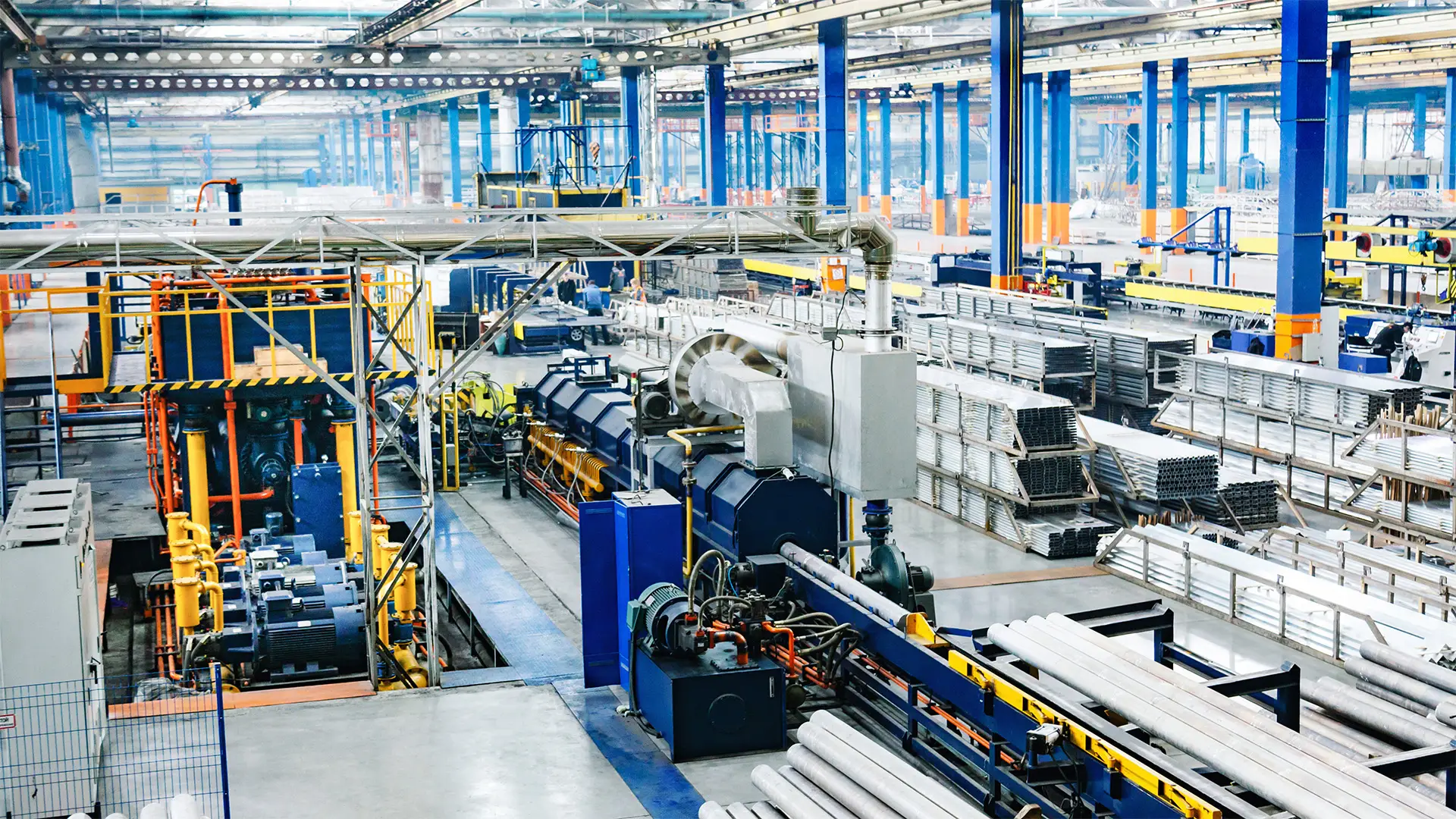
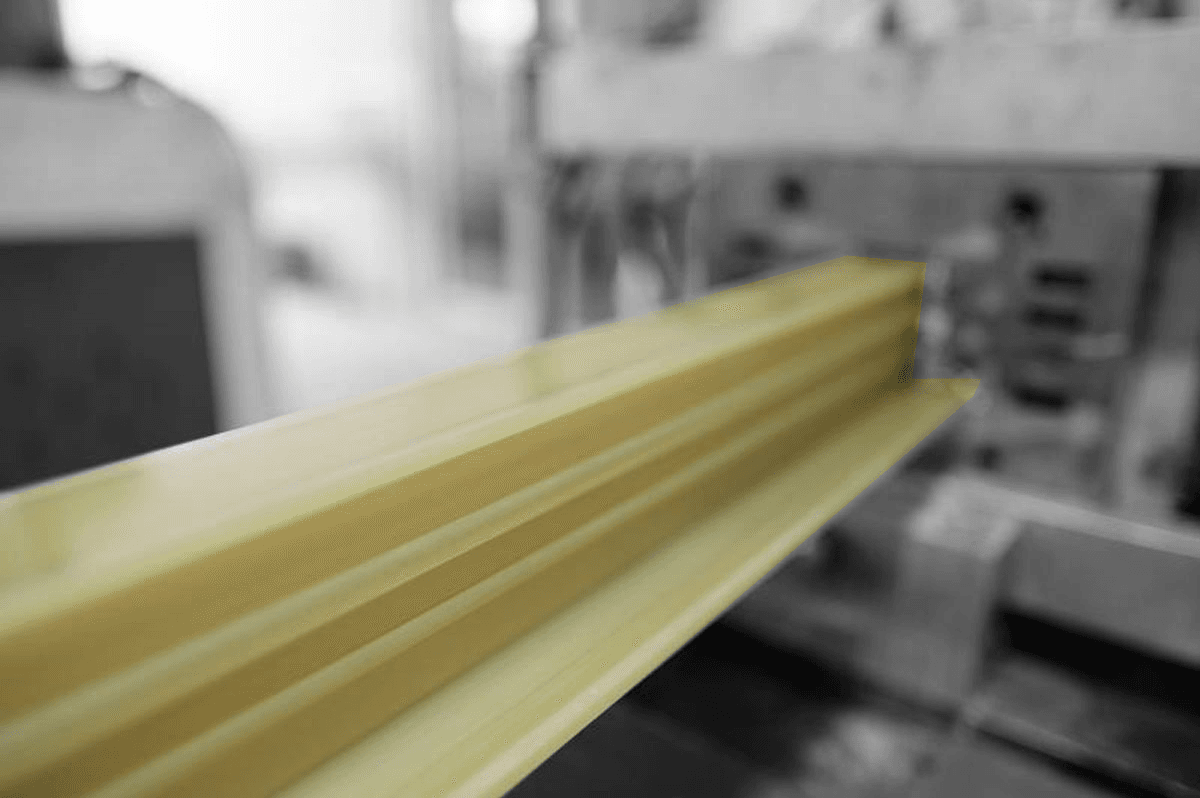
Pultrusion is a continuous, automated composite manufacturing process used to produce long, straight profiles with a uniform cross-section and exceptional longitudinal strength and rigidity. The word “pultrusion” combines pull and extrusion — reflecting how reinforcing fibers are pulled through resin and a heated die to form cured composite shapes.
Materials & Resin Systems
Pultrusion accommodates a variety of reinforcement and resin combinations to meet different performance requirements:
- Reinforcements: Glass fiber is most common, with carbon and aramid options available for higher stiffness or specialized strength characteristics.
- Resin Systems: Thermosetting resins such as polyester, vinyl ester, and epoxy provide excellent bonding, durability, and environmental resistance.
This combination of fiber and resin delivers profiles with high strength-to-weight ratios, excellent dimensional stability, and tailored mechanical properties.
Key Benefits of Pultrusion Technology
Pultrusion offers several advantages that make it a preferred production method for structural profiles.
- Continuous, High-Volume Production: The automated nature of pultrusion enables efficient and consistent output for large runs.
- Exceptional Mechanical Properties: High fiber content and uniform alignment result in profiles with excellent stiffness, strength, and durability.
- Dimensional Precision: Consistent cross-section shapes are maintained throughout the length of the profile.
- Cost-Efficiency: Continuous pultrusion reduces labor costs and material waste compared to some alternative composite processes.
- Material Versatility: Suited for a wide range of resin and fiber combinations depending on performance requirements.